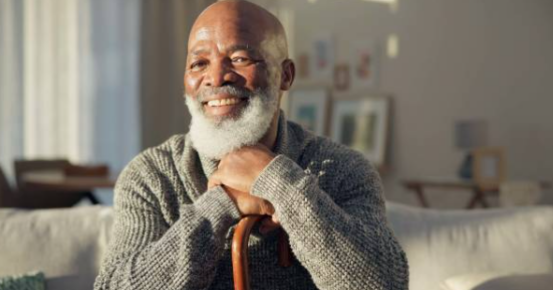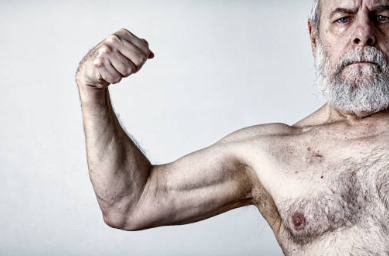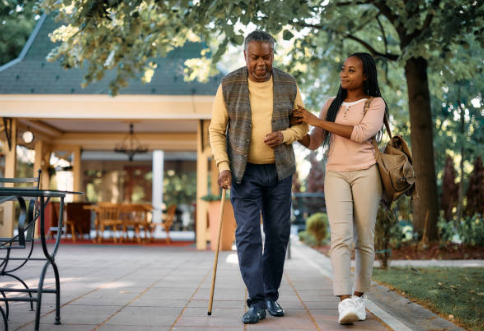
Among numerous sports, walking is like a shining pearl, with its unparalleled approachability, becoming an excellent choice for elderly people to maintain their health. It does not require complex equipment, is not limited by the venue, and does not require excessive athletic skills, yet it contains enormous health value.
The benefits of walking for the elderly
Promote cardiovascular health
Walking can effectively improve the cardiovascular function of elderly people. When elderly people take a walk, their heart rate moderately increases, promoting blood circulation and enhancing the heart’s pumping ability. This helps to reduce the risk of cardiovascular diseases such as coronary heart disease, hypertension, etc. Research shows that the elderly who often walk tend to have more stable blood pressure, and the levels of cholesterol and triglycerides in the blood can also be effectively controlled, thus reducing the incidence of atherosclerosis and protecting heart health.
Enhance muscle strength and joint flexibility
As people age, their muscle mass gradually decreases and their joints become stiff. Walking, as a low-intensity weight-bearing exercise, can stimulate muscle contraction and enhance muscle strength, especially in the leg muscles. Through rhythmic footwork, it is possible to move large joints such as the knee and hip joints, promote the secretion of joint fluid, increase joint flexibility, and reduce the troubles of joint diseases such as arthritis. For example, elderly people who persist in walking every day will feel more relaxed and comfortable in daily activities such as going up and down stairs and standing up.
Improve respiratory system function
During walking, the respiratory rate will correspondingly increase, which helps elderly people exercise their respiratory muscles and improve lung capacity. The lungs are able to exchange gases more fully, inhale more oxygen, and expel carbon dioxide, thereby improving respiratory system function. For elderly people with chronic respiratory diseases such as chronic obstructive pulmonary disease (COPD), moderate walking can alleviate symptoms of breathing difficulties and improve their quality of life.
Assist in mental health
Walking is not only beneficial for the body, but also has a positive impact on the mental health of the elderly. When taking outdoor walks, elderly people can be exposed to natural scenery, breathe fresh air, and feel happy along with it. Walking can also promote the secretion of neurotransmitters such as endorphins in the brain, which have a similar effect to natural painkillers and can alleviate negative emotions such as anxiety and depression, keeping elderly people in a positive and optimistic state of mind. In addition, communicating and interacting with others during walks, such as joining elderly walking groups, can expand social circles, reduce loneliness, and enhance social belonging.
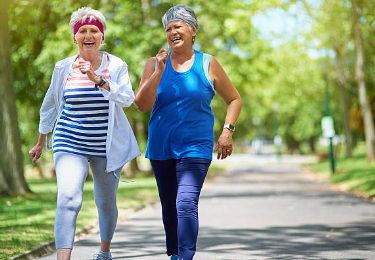
A walking style suitable for the elderly
Ordinary walking method
This is the most basic way of walking, suitable for most elderly people. Maintain a natural pace and moderate speed, walking approximately 60-90 steps per minute. The walking time can be controlled between 30-60 minutes each time, and can be adjusted according to one’s own physical condition. During the walk, keep your head up and chest straight, swing your arms naturally, and walk steadily. This walking method can effectively exercise cardiovascular function and enhance physical endurance.

Intermittent walking method
For elderly people with good physical condition, intermittent walking can be tried. Take a 3-5 minute walk at normal speed, then increase your pace and walk briskly for 1-2 minutes, alternating between them. For example, walk at a speed of 80 steps per minute for 3 minutes, then accelerate to 120 steps per minute and walk for 1 minute, and repeat this process. This method can to some extent increase the intensity of exercise, further enhance cardiovascular function and body metabolic capacity. But be careful not to walk too fast to avoid damaging the joints.
Reverse walking method
Walking backwards can exercise muscles that are difficult to use during normal walking, enhancing the body’s balance and coordination. When elderly people take a walk backwards, they should choose a flat, open, and obstacle free area, such as an open lawn in a park. At the beginning, the speed should be slow, walking about 40-60 steps per minute. The time for each backward walk should not be too long, 10-15 minutes is enough, and it can be alternated with regular walking. When reversing, always pay attention to the situation behind to avoid falling. If you feel dizzy or uncomfortable during the process of walking backwards, you should stop immediately.
Precautions for Walking
Choose the appropriate time
The fresh air in the morning is a good time for a walk, but it is important to avoid the morning rush hour and avoid walking on roads with high levels of vehicle exhaust. In the evening, when the temperature is relatively low, it is also a suitable time for a walk. For the elderly with diabetes, it is recommended to take a walk 1-2 hours after meals to help control blood sugar. But be careful not to take a walk immediately on an empty stomach or after a full meal to avoid affecting digestion.
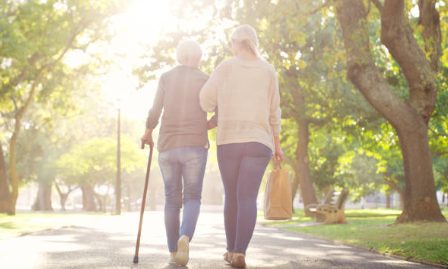
Choose suitable shoes
A pair of comfortable and comfortable shoes is crucial for elderly people to take a walk. Choose sports shoes with good cushioning and support, with a soft and elastic sole that can effectively absorb the impact of walking and reduce pressure on the feet and joints. The size of the shoes should be appropriate, not too tight or too loose, to ensure that the feet can move freely. For example, some professional elderly sports shoes fully consider the foot characteristics of the elderly in their design, providing better comfort and stability.
Warm up and stretch well
Before taking a walk, it is important to perform simple warm-up activities such as moving the wrist and ankle joints, rotating the waist, and stretching the leg muscles for about 3-5 minutes, which can effectively prevent sports injuries. After a walk, do not rest immediately. Instead, do appropriate stretching, such as standing forward and stretching the muscles behind the legs; Hug your knees with both hands, stretch the muscles in front of your thighs, and hold each movement for 15-30 seconds to help relax your muscles and relieve fatigue.
Walking, this simple yet magical way of exercise, opens a door to a healthy lifestyle for the elderly. Through scientific and reasonable walking, elderly people can enjoy the pleasure of exercise while gaining dual physical and mental health. Let us encourage the elderly around us to take brisk steps and embrace a better life while walking.