In public perception, exercise is often associated with energetic young people, but it is often overlooked by the elderly. However, exercise is crucial for the health of the elderly, and the consequences of not exercising should not be underestimated. Today, let’s delve into the five serious consequences of elderly people not exercising.
1、 Muscle atrophy and strength decline
As people age, the body naturally experiences muscle loss, which is medically known as’ sarcopenia ‘. If elderly people do not exercise for a long time, this process will be greatly accelerated. Muscles are like the “engines” of the body, supporting daily activities. When muscles atrophy and strength declines, simple walking, getting up, and carrying things may become difficult. The elderly who could easily climb stairs may be panting every step due to insufficient leg muscle strength; Getting up from the chair also requires multiple attempts with the help of armrests. This not only reduces self-care ability, but also increases the risk of falling and injury. Data shows that about 30% of elderly people who fall due to weak muscle strength will experience severe fractures, which seriously affect their quality of life in the future.
2、 Damaged bone health
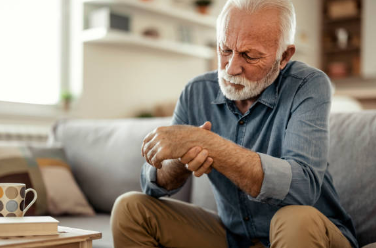
Exercise can stimulate continuous metabolism of bones and enhance bone density. Elderly people do not exercise, their bones do not receive sufficient stimulation, bone loss accelerates, and the risk of osteoporosis increases significantly. Osteoporosis means that bones become fragile and prone to fractures, which can be caused by minor collisions or even daily activities, such as hip, wrist, and spine fractures. According to statistics, the incidence of osteoporosis among elderly people aged 60 and above in China exceeds 30%. Patients with fractures caused by osteoporosis have a mortality rate of up to 20% within one year, and about 50% of survivors will have disabilities. This serves as a warning to the elderly that maintaining exercise is crucial for maintaining bone health and reducing the risk of fractures.
3、 Decreased cardiovascular function
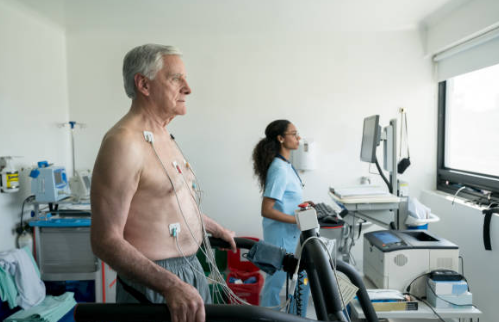
The cardiovascular system composed of the heart and blood vessels is like the body’s “transport network”, delivering oxygen and nutrients to various organs. Long term inactivity results in a lack of exercise for the heart muscles, weakened contractility, and a decrease in the amount of blood pumped out each time. The heart needs to work harder to meet the body’s needs. At the same time, decreased vascular elasticity and increased blood flow resistance can easily lead to hypertension. Inactivity will also make the lipid in the blood easier to deposit in the vascular wall, forming plaque, leading to atherosclerosis, increasing the risk of cardiovascular diseases such as coronary heart disease and myocardial infarction. Research has shown that elderly people who lack exercise have a 30% -50% higher risk of developing cardiovascular disease compared to those who exercise regularly.
4、 Reduced immunity
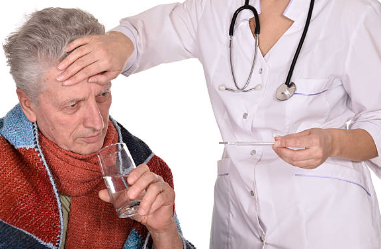
The immune system is the “guardian” of the body against diseases, and regular exercise can promote the circulation of immune cells, enhance their activity, and improve immunity. Elderly people who do not exercise have a decreased immune system vitality, weakened ability to resist viruses and bacteria, and are more prone to diseases such as colds and pneumonia. After falling ill, the recovery time of the body is prolonged. For example, elderly people who exercise regularly may experience symptom relief in 3-5 days after catching a cold, while those who do not exercise may last for a week or even longer and may develop more serious complications, seriously affecting their physical health.
5、 Cognitive decline
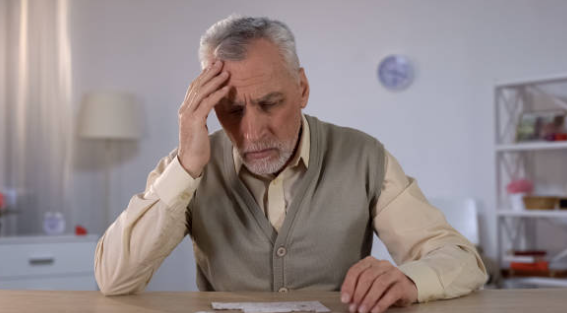
The brain is like the “headquarters” of the body, requiring continuous stimulation to maintain vitality. Exercise can promote blood circulation in the brain and increase neurotransmitter secretion, such as brain-derived neurotrophic factor (BDNF), which is crucial for neuronal growth, survival, and differentiation. Elderly people who do not exercise have insufficient blood supply to the brain, lack nourishment for nerve cells, accelerate cognitive decline, and frequently experience problems such as memory loss, lack of concentration, and delayed response, which increase the risk of developing dementia. Research shows that elderly people who exercise regularly have a 30% -40% lower risk of developing dementia compared to those who do not exercise.
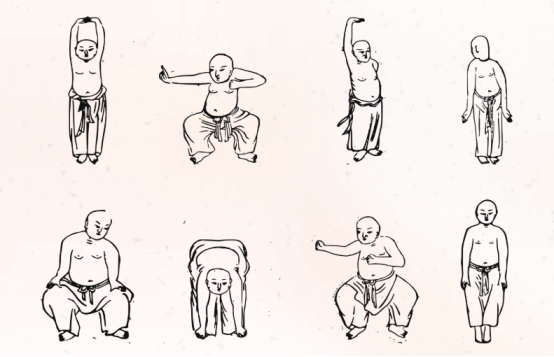
The lack of exercise in the elderly poses significant risks, affecting various aspects of the body from musculoskeletal disorders to cardiovascular health, from the immune system to cognitive function. In order to have a healthy and happy old age, elderly people should attach importance to exercise and choose suitable exercise methods such as walking, Tai Chi, and Baduanjin according to their own situation. They should adhere to a certain amount of exercise time every week to make their bodies full of vitality and enjoy their old age peacefully.