In Europe and America, as people’s pursuit of a healthy lifestyle continues to increase, more and more elderly people are joining the ranks of sports. However, unlike young people, it is crucial for the elderly to undergo a comprehensive physical assessment before exercise, as it is not only related to exercise effectiveness, but also closely linked to physical health and safety. Today, let’s delve into this professional exercise guide together.
The necessity of evaluation: escorting healthy exercise
Entering old age, physical functions gradually decline, and the cardiovascular system, skeletal muscle system, nervous system, etc. all undergo varying degrees of changes. Starting exercise rashly at this time may bring unexpected burden or even damage to the body. Through professional physical assessments, we can comprehensively understand the physical condition of elderly people, identify potential health problems, and develop the most suitable exercise plan for them, ensuring that exercise can achieve exercise goals without causing harm to the body.
Assessment project: Comprehensive insight into physical condition
Cardiovascular function assessment

Static heart rate and blood pressure measurement: These are the most basic examination items. Normal static heart rate and blood pressure range can reflect the basic state of the cardiovascular system. If the heart rate is too fast or too slow, and the blood pressure is too high or too low, it may indicate a problem with the cardiovascular system and require further evaluation.
Cardiopulmonary function test: For example, the 6-minute walk test evaluates the cardiorespiratory endurance of elderly people by measuring the distance they walk within 6 minutes. This test can intuitively reflect whether the cardiovascular function can withstand a certain intensity of exercise.
Skeletal and Muscular System Assessment

Bone density testing: With age, the risk of osteoporosis increases in older adults. Bone density testing can understand the health status of bones, determine the presence and degree of osteoporosis, and guide the control of bone load during exercise.
Muscle strength and joint range of motion assessment: By conducting simple grip strength tests, leg flexion and extension strength tests, one can understand the strength of muscle strength. At the same time, evaluate the range of motion of each joint, check for issues such as arthritis and joint injuries, and avoid increasing joint burden during exercise.
Neurological assessment
Balance ability test: Elderly people have decreased balance ability and are prone to falls. Tests such as standing on one foot and standing still with closed eyes can evaluate their balance function. Elderly people with poor balance should pay more attention to safety when choosing sports and avoid exercises that are prone to causing falls.
Cognitive function assessment: Simple cognitive function tests, such as memory, attention, orientation, etc., can ensure that elderly people can understand and follow exercise guidance during exercise, ensuring exercise safety.
How to interpret evaluation results: Know yourself and know your enemy, scientific movement
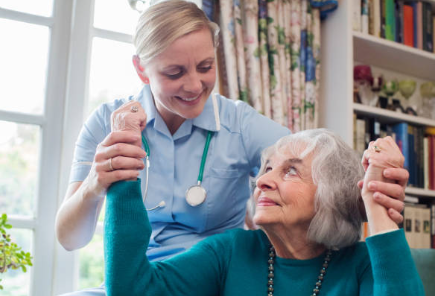
After receiving the evaluation report, there is no need to be intimidated by complex data and terminology. Professional sports rehabilitation therapists or doctors will provide detailed explanations for the elderly. Generally speaking, if all indicators are within the normal range, one can choose the appropriate exercise program based on personal interests and exercise goals. If certain indicators are abnormal, such as low bone density, then high impact exercises such as jumping and running should be avoided during exercise, and exercises with less bone pressure should be chosen, such as walking, swimming, etc.
Develop exercise plan based on evaluation results: personalized exercise, harvest health
Low risk population exercise plan
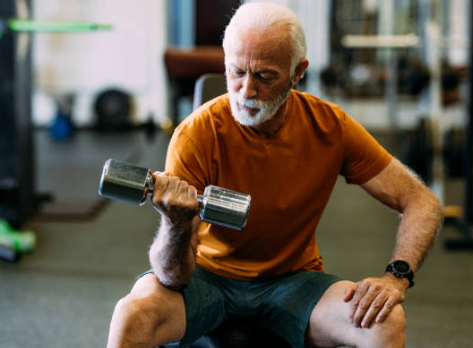
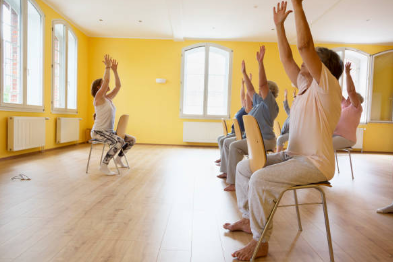
For elderly people with good physical assessment results, there are more diverse options for exercise. Aerobic exercise, such as brisk walking for about 30 minutes 3-5 times a week, can improve cardiovascular function and exercise leg muscles; You can also try yoga to help enhance your body’s flexibility and balance. Strength training should not be ignored, such as using lighter dumbbells for simple arm strength exercises 2-3 times a week, which can help maintain muscle mass.
Exercise plan for individuals with health hazards
If the assessment reveals the risk of cardiovascular disease, joint problems, or other health hazards, the exercise plan needs to be developed more cautiously. For example, elderly people with mild heart disease can choose slow paced and low-intensity exercises such as Tai Chi, practicing for 30-60 minutes a day, which can promote blood circulation without putting too much burden on the heart. Swimming is a good choice for elderly people with arthritis. The buoyancy of water can reduce joint pressure and achieve the goal of exercising the whole body.
Pre exercise physical assessment for the elderly is a crucial step in embarking on a journey of healthy exercise. Through scientific evaluation and reasonable exercise plans, elderly people can also enjoy happiness, gain health, and continue to enjoy life with full vitality during exercise. In Europe and America, more and more elderly people are actively exercising under professional guidance. Let’s take action together to support the health of our elders!