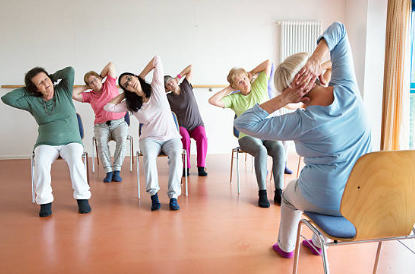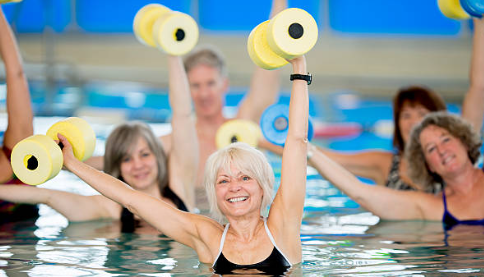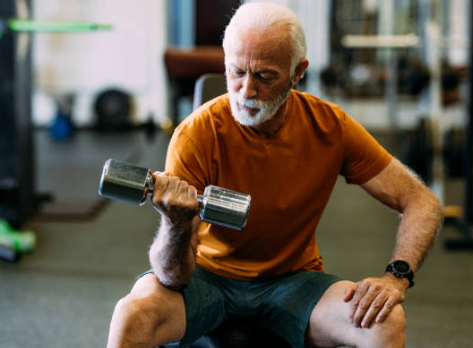
In the traditional public perception, strength training seems to be exclusive to young people shaping their bodies and athletes improving their competitive level, while the elderly are often excluded. However, in reality, there are many benefits to strength training for the elderly, and many inherent beliefs about it are misconceptions. Today, let’s break through these cognitive misconceptions and rediscover strength training for the elderly.
Misconception 1: Elderly people are prone to injury during strength training
Many people believe that elderly people have fragile bones and poor muscle strength, making them prone to injury during strength training. Indeed, elderly people may experience physical decline and a relatively higher risk of injury, but this does not mean that they cannot engage in strength training. As long as the method is correct, strength training is not only safe but also reduces the risk of injury. For example, before conducting strength training, doing sufficient warm-up activities such as simple joint exercises and slow walking can prepare all parts of the body and reduce the risk of injury. Moreover, choosing the appropriate training intensity and weight is crucial. Starting with lighter loads, such as using 1-2 kg dumbbells for simple arm strength exercises, gradually increasing the weight as the body adapts. This gradual training approach can effectively avoid injuries. In some community fitness centers in Europe and America, professional coaches guide elderly people in strength training, greatly reducing the possibility of injury through correct movement demonstrations and personalized training plans.
Misconception 2: Strength training is ineffective for the elderly

Some people believe that the physical function of the elderly has declined, and it is difficult to see significant results from strength training. However, numerous scientific studies have shown that strength training in older adults can also significantly improve muscle strength and physical function. In a long-term study targeting elderly individuals, a group of elderly people who persisted in strength training showed a significant increase in muscle mass after several months of training, and their balance and daily self-care abilities were significantly improved. Strength training can stimulate muscle growth, slow down muscle loss, enhance bone density, and have a positive effect on preventing osteoporosis. Even elderly people in their seventies and eighties can see significant improvement in their physical condition as long as they adhere to scientific strength training.
Misconception 3: Strength training affects the joint health of the elderly
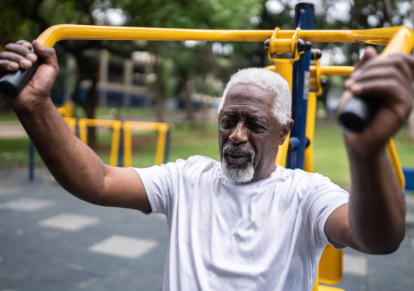
Many people are concerned that strength training may impose additional burden on the already fragile joints of the elderly, damaging their joint health. In fact, proper strength training not only does not harm joints, but also helps protect them. When muscle strength increases, it can better support and stabilize joints, reducing joint pressure. For example, through leg strength training, enhancing thigh muscle strength can reduce knee joint wear during daily activities. Of course, when conducting strength training, it is important to avoid movements that have excessive impact on joints, such as rapid squats, jumps, etc. Choose some joint friendly training methods, such as using fixed equipment for strength exercises or simple weight training, such as wall squatting, which can protect joint health while exercising muscles.
Suggestions for Proper Strength Training
Choose the appropriate training program
Older people can choose some simple and safe strength training programs, such as using elastic bands for full body muscle training, and exercising muscles in the arms, legs, back, and other areas through different stretching methods; Perform simple sit up exercises to exercise leg and hip muscles; You can also use the chair at home for arm support exercises to enhance upper limb strength.
Control training intensity and frequency
The training intensity should be moderate, starting from low intensity and gradually increasing. It is generally recommended to do 2-3 strength training sessions per week, each lasting 30-45 minutes, to give the body enough time to recover. Each action should be performed in 2-3 groups, with 8-12 repetitions per group.
Seeking professional guidance
If conditions permit, elderly people can participate in fitness courses organized by the community and undergo strength training under the guidance of professional coaches. Coaches can develop personalized training plans based on the physical condition of elderly people, correct incorrect movements, and ensure safe and effective training.
Strength training for the elderly is not as scary as imagined. Breaking these cognitive misconceptions and actively involving the elderly in strength training will lead to healthier and more energetic lives. If you have elderly people around you who have misunderstandings about strength training, you may want to share this knowledge with them.