Hey, elderly friends and family members who care about their health! Diabetes is a chronic disease that affects the health of countless elderly people around the world, and exercise is a powerful weapon to control blood sugar. Today, I will tell you in detail about the exclusive exercise prescription for elderly diabetes patients to help you better manage blood sugar and enjoy a healthy life.
The Importance of Exercise for Elderly Patients with diabetes
For elderly patients with diabetes, exercise is not only a simple exercise, but also a key part of blood glucose management. Regular exercise can improve insulin sensitivity, allowing body cells to better utilize glucose in the blood, thereby effectively reducing blood sugar levels. At the same time, exercise can also help reduce weight, enhance cardiopulmonary function, enhance muscle strength, improve physical condition in an all-round way, and reduce the risk of complications of diabetes.
Suitable types of sports
Aerobic exercise
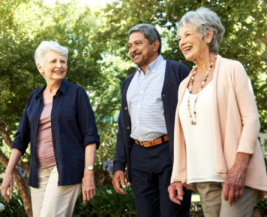
Walking: This is the most basic and suitable exercise for the elderly. Take a leisurely walk on the roads in parks and residential areas, with steady steps and natural breathing. Persist for 30 minutes to 1 hour every day, which can be done multiple times. For example, 15 minutes in the morning and another 15 minutes in the evening are both relaxing and effective.
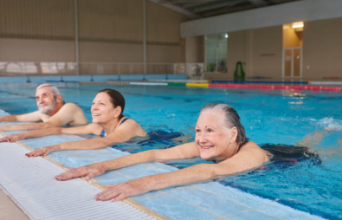
Swimming: The buoyancy of water reduces the weight of the body and puts less pressure on joints. Swimming can exercise muscles throughout the body and improve cardiovascular function. Perform 2-3 times a week, each session lasting about 30 minutes. If you don’t know how to swim, you can also engage in activities such as walking and stretching in shallow water.
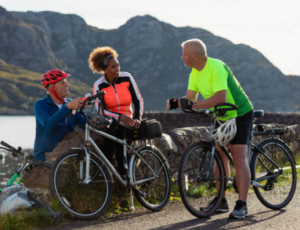
Cycling: Choose a flat road and ride at a moderate speed. It can not only appreciate the scenery along the way, but also achieve the purpose of exercise. Ride 3-4 times a week for 30-45 minutes each time. If physical strength allows, cycling time and distance can be appropriately increased.
strength training
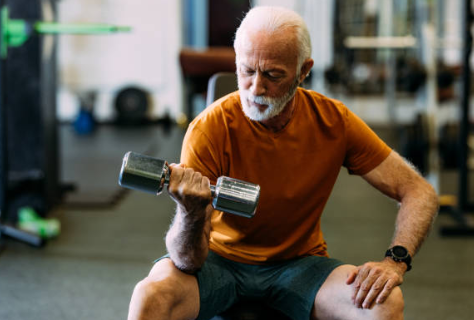
Simple dumbbell training: uses lighter dumbbells to perform simple movements such as arm flexion and extension, shoulder compression, etc. 8-12 times per group, 2-3 groups. Strength training can increase muscle mass, improve basal metabolic rate, and help the body better consumes sugar.

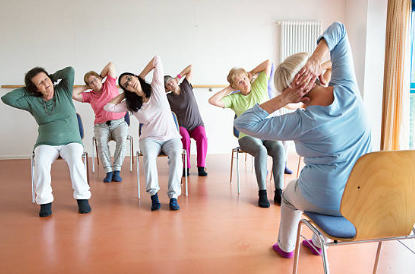
Chair Fitness Exercise: It can be completed by sitting on a chair, including lifting legs, turning waist, extending arms, and other movements. Perform 1-2 times a day for 15-20 minutes each time, which is very suitable for elderly people who have limited mobility.
Intensity and frequency of exercise
The exercise intensity of elderly patients with diabetes should not be too high, and should mainly be medium and low intensity. Judging whether the intensity of exercise is appropriate can be measured by self perception and heart rate. I can speak normally during exercise, but singing may be a bit difficult, so this intensity is more appropriate. The heart rate during exercise is generally controlled within the range of (220- age) x (50% -70%). For example, a 70 years old person should control their heart rate between 75-105 beats per minute during exercise.
In terms of exercise frequency, engage in at least 150 minutes of moderate intensity aerobic exercise per week, while strength training can be done every other day. Allocate exercise evenly to different times of the week and develop regular exercise habits.
Blood glucose management before and after exercise
Before exercise
Monitoring blood sugar: It is necessary to measure blood sugar before exercise. High blood sugar (greater than 16.7mmol/L) or low blood sugar (less than 5.6mmol/L) is not suitable for exercise. If your blood sugar is too low, you should supplement some carbohydrates appropriately, such as eating a piece of fruit or drinking a glass of juice. Measure your blood sugar 15-30 minutes later and exercise after reaching the standard.
Supplementing energy: You can eat some easily digestible carbohydrates half an hour before exercise, such as half a banana, a small packet of biscuits, etc.To provide energy for exercise and prevent the occurrence of low blood sugar during exercise.

After exercise
Monitor blood sugar again: After exercise, rest for 15-30 minutes and measure blood sugar to understand the impact of exercise on blood sugar. If blood sugar is too low, it is necessary to supplement sugary foods in a timely manner.
Supplementing nutrition: After exercise, the body consumes energy and needs to supplement nutrition appropriately. Drinking a glass of milk, eating an egg, or some lean meat can help the body recover while maintaining blood sugar stability.
The elderly patients with diabetes can effectively control their condition and improve their quality of life through scientific and reasonable exercise and correct blood glucose management methods. But before starting exercise, it is important to consult a doctor or professional health manager to develop personalized exercise prescriptions based on individual physical conditions. If you have experience or experience of exercise for elderly patients with diabetes, please share it in the comment area. Let’s help more elderly people to get healthy!