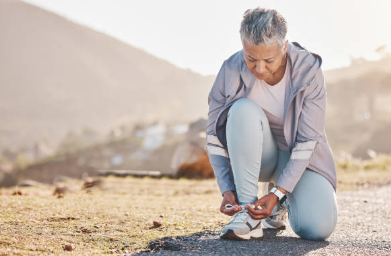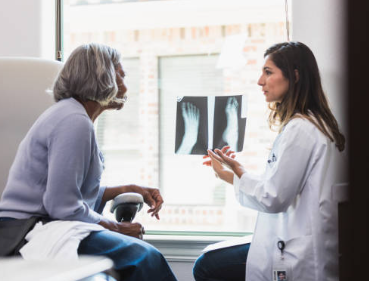
Osteoporosis in the elderly is a common bone disease that makes bones fragile and increases the risk of fractures. However, many people may not know that scientifically reasonable exercise is an important means for elderly osteoporosis patients to improve bone health and enhance their quality of life. Today, we will provide a detailed introduction to the exercise guidelines for elderly patients with osteoporosis.
The importance of exercise for elderly patients with osteoporosis
Enhance bone density
Appropriate exercise can stimulate the activity of bone cells, promote the absorption and utilization of calcium by bones, thereby increasing bone density and slowing down the progression of osteoporosis. Exercise is like injecting vitality into bones, making them stronger.
Improve muscle strength
As age increases, muscle strength gradually decreases, and muscles play an important role in supporting and protecting bones. By enhancing muscle strength through exercise, we can better share the pressure on our bones and reduce the risk of fractures. Strong muscles are like putting a layer of “protective clothing” on the bones.
Improve body balance ability
Osteoporosis patients are prone to fractures once they fall due to the fragility of their bones. Exercise can improve the body’s balance and coordination, making patients more stable in daily life and reducing the risk of falls. Good balance ability can make patients walk more steadily and avoid accidents.
Exercise programs suitable for elderly patients with osteoporosis
Take a walk
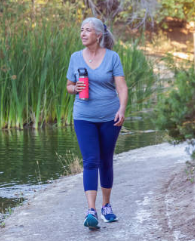
Walking is a simple and easy exercise that is very suitable for elderly patients with osteoporosis. It exerts less pressure on the joints and can also promote blood circulation throughout the body. Patients can choose to take a walk on flat, fresh air roads, such as trails in parks. Take a 30-60 minute walk every day, which can be done multiple times at a pace that feels comfortable to you. When taking a walk, keep your chest high and head up, swing your arms naturally, and walk at a moderate pace.
Tai Chi
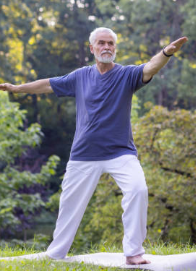
Tai Chi moves slowly and softly, emphasizing the overall and coordinated nature of the body. Practicing Tai Chi can exercise muscles and joints throughout the body, while enhancing balance ability. Practice Tai Chi 3-5 times a week for 30-45 minutes each time. During the practice process, it is important to pay attention to the coordination between breathing and movement, and maintain a calm state of mind.
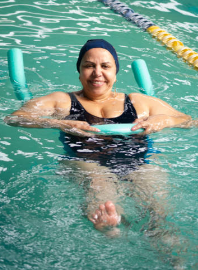
Water sports
The buoyancy of water can reduce the weight of the body and decrease the pressure on bones. Water sports such as walking and stretching can not only exercise the body but also protect the bones. Patients can engage in water exercise in the swimming pool 2-3 times a week for about 30 minutes each time. When engaging in water sports, it is important to pay attention to safety and preferably have someone accompany you.

strength training
Appropriate strength training can enhance muscle strength and indirectly protect bones. However, elderly patients with osteoporosis should be extra careful when conducting strength training and choose low-intensity, low weight training methods. For example, using 1-2 kg dumbbells for simple arm flexion and extension exercises, or doing elastic band training. Each action is performed in 2-3 groups, 8-10 times per group, 2-3 times per week.
Intensity and frequency of exercise
The intensity of exercise should be moderate, with slight sweating and fatigue but recovery after rest. Avoid overexertion to prevent harm to the body. It is recommended to exercise 3-5 times a week to give the body enough time to recover and adapt.
Sports precautions
Warm up before exercise
Before exercising, it is necessary to do sufficient warm-up activities, such as moving the wrists and ankles, rotating the waist, neck and other joints, and doing 5-10 minutes of slow walking or simple stretching exercises to prepare all parts of the body for exercise and reduce the risk of injury.
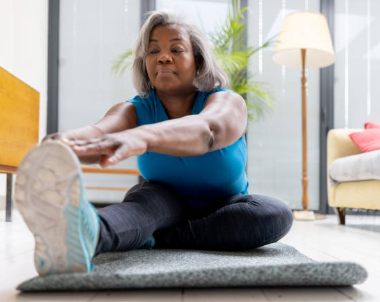
Choose a suitable venue
The sports field should be flat, slip resistant, and avoid moving on surfaces with obstacles, potholes, or slippery terrain. When exercising indoors, ensure that the floor is dry and free of debris; Outdoor sports can choose open and safe places such as parks and squares.
Avoid dangerous actions
Elderly patients with osteoporosis should avoid engaging in exercises that have a significant impact on their bones, such as jumping, running quickly, and vigorous twisting movements. At the same time, it is important to avoid maintaining the same posture for a long time to avoid increasing the burden on the bones.
Pay attention to physical reactions
During exercise, it is important to closely monitor one’s physical reactions. If discomfort symptoms such as pain, dizziness, and palpitations occur, exercise should be stopped immediately and medical attention should be sought promptly.
Elderly patients with osteoporosis can improve their bone health and quality of life to a certain extent through scientific and reasonable exercise. But during exercise, it is important to follow the exercise guidelines to ensure safety. I hope every elderly patient with osteoporosis can find a suitable way of exercise and enjoy the health and happiness brought by exercise. If you have any experience or suggestions about exercise for elderly osteoporosis patients, please feel free to share and exchange them in the comment section.