
After exercise, elderly people have unique nutritional needs for their bodies. Reasonable nutritional supplementation can not only help them recover their physical strength, but also promote the improvement of bodily functions, making the effect of exercise twice as effective. Below is a detailed introduction to the nutritional supplementation strategies for elderly people after exercise.
Protein: the key to repairing and growing muscles

As people age, their muscle loss rate accelerates, and timely protein supplementation after exercise is particularly important. Protein is the main component of muscles, which can help repair damaged muscle fibers during exercise and promote muscle growth. In Europe and America, foods rich in high-quality protein such as chicken breast, salmon, eggs, and milk are common choices for the elderly. Chicken breast meat has low fat content and high protein content. 100 grams of chicken breast meat contain about 20 grams of protein, which is very suitable for the elderly. Salmon is rich in Omega-3 fatty acids, which not only supplements protein but also help reduce inflammation and protect joint health. Eggs are a highly cost-effective source of protein, and their amino acid composition is close to the human body’s needs, making them easy to absorb. Consuming an appropriate amount of milk every day can not only supplement protein, but also provide important minerals such as calcium. It is generally recommended that elderly people consume 1.2-1.5 grams of protein per kilogram of body weight after exercise.


Carbohydrates: Essential for Restoring Energy
During exercise, the body consumes a large amount of carbohydrates to provide energy. Supplementing carbohydrates after exercise can quickly restore blood sugar levels and store energy for the body. Whole wheat bread, oatmeal, sweet potatoes, and other high-quality sources of carbohydrates. In Europe and America, many elderly people choose oatmeal for breakfast, which is rich in dietary fiber, has relatively slow digestion and absorption, and can continuously provide energy for the body. Whole wheat bread retains more nutrients and is more beneficial to health compared to refined bread. Sweet potatoes are complex carbohydrates rich in vitamins and minerals, with a soft and glutinous taste that is easily accepted by the elderly. Elderly people can consume 50-100 grams of carbohydrates in moderation according to the intensity of exercise after exercise.
Vitamins and minerals: maintaining balance in bodily functions
vitamin
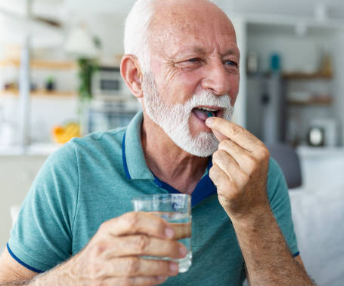
After exercise, the body’s demand for vitamins also increases. Vitamin C has antioxidant properties, can alleviate oxidative stress caused by exercise, promote collagen synthesis, aid in wound healing, and enhance immunity. Oranges, strawberries, kiwis and other fruits are rich in vitamin C, and elderly people can consume them in moderation after exercise. Vitamin D is crucial for calcium absorption and can maintain bone health. In Europe and America, due to relatively short sunshine hours, many elderly people supplement their body with vitamin D supplements to meet their needs. At the same time, they can also eat more foods rich in vitamin D, such as deep-sea fish and egg yolks.
mineral

Calcium is a mineral that elderly people need to pay close attention to, and supplementing calcium after exercise can help maintain bone strength. Milk, soy products, nuts, etc.Are all good sources of calcium. In addition, potassium can regulate water balance in the body, maintain normal function of nerves and muscles. Foods such as bananas, potatoes, and spinach are rich in potassium and can be consumed appropriately by elderly people after exercise.
Water supplementation: an essential step that cannot be ignored
During exercise, elderly people will lose a large amount of water and electrolytes through sweating. Timely hydration after exercise can prevent dehydration and maintain normal metabolism in the body. In addition to drinking plain water, you can also drink some sports drinks containing electrolytes in moderation to help replenish lost electrolytes such as sodium and potassium. In Europe and America, sports drinks are very common in gyms and sports venues, making it convenient for elderly people to replenish water and electrolytes at any time. But be careful to avoid drinking beverages with high sugar content to prevent blood sugar fluctuations.
The nutritional supplement for elderly people after exercise needs to be comprehensive and balanced, with a focus on the reasonable intake of protein, carbohydrates, vitamins, minerals, and water. Through scientific nutritional supplementation strategies, elderly people can better recover their physical strength and enjoy the health and happiness brought by exercise. If you have any other questions or experiences regarding nutritional supplementation for the elderly, please feel free to share and exchange them.