For the elderly, long-distance travel is a great way to broaden their horizons and enrich their lives, but prolonged running can also bring many challenges to their bodies. Moderate exercise during the journey can not only relieve physical fatigue, but also maintain bodily functions, making travel more relaxed and enjoyable. Below are some exercise and health tips for elderly people during long-distance travel.
Physical challenges during the journey
Long distance travel often means sitting for long periods of time, whether by plane, train, or car. Maintaining the same posture for a long time can cause muscle stiffness, especially in the leg and waist muscles. At the same time, blood circulation can also be affected, which can easily lead to lower limb edema and increase the risk of thrombosis. Moreover, changes in the environment and daily routine during the journey can also require some time for the body to adapt.
Sports skills on transportation vehicles
Airplane travel
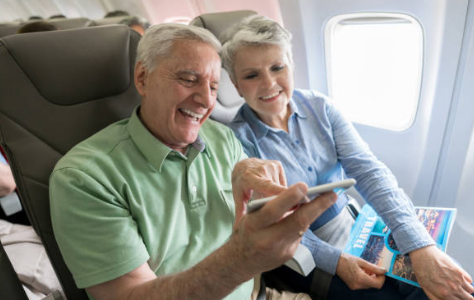
On an airplane, the space is relatively narrow, but there are still some simple movements that can be performed. Every once in a while, ankle rotation exercises can be performed, rotating 10-15 turns clockwise and counterclockwise respectively, which can promote blood circulation in the lower limbs and prevent leg swelling. You can also do some simple shoulder exercises, such as shrugging, then slowly lowering and repeating 10-15 times to relieve the tension in the shoulders. In addition, stretching your legs in the seat, keeping your toes as straight forward as possible, and then retracting them, 10-15 times per group, can effectively activate your leg muscles.
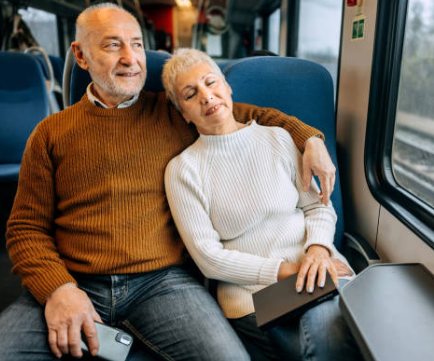
Train travel
The activity space on the train is relatively large. During the parking gap, you can walk slowly in the aisle of the carriage for a few minutes to move your whole body. When sitting in a seat, simple waist twisting exercises can be performed, twisting the waist left and right for 3-5 seconds each time, repeating 10-15 times, which can effectively relieve waist fatigue. In addition, both hands can hold the armrest of the seat and perform simple arm flexion and extension movements, 10-15 times per group, to exercise arm strength.
Car travel
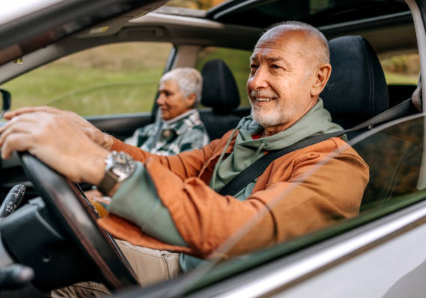
If driving or taking a long-distance bus, be sure to get off at the rest stop and engage in activities. After getting off the car, first perform simple body stretches, such as extending your arms upwards, bending down to touch your toes, etc., and hold each movement for 10-15 seconds. Then you can walk slowly around the car for a few minutes, moving your leg joints and muscles. When sitting in the car, you can also gently massage your legs to promote blood circulation.
Movement arrangements upon arrival at the destination
After arriving at the travel destination, do not rush to engage in high-intensity activities. First, engage in some light aerobic exercise, such as taking a walk in the park near the hotel at a moderate pace for 30-45 minutes each time, to help the body adapt to the new environment.

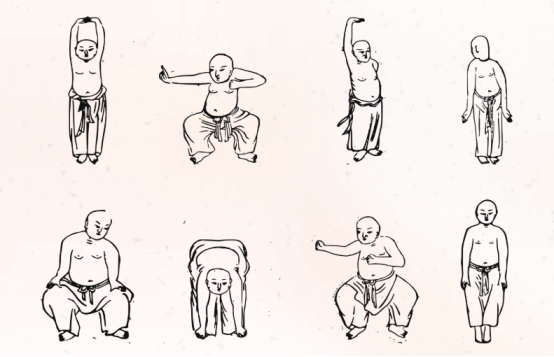
If the travel time is long, you can choose some suitable sports according to your own physical condition, such as Tai Chi, Baduanjin, etc. These movements are slow and gentle, which can exercise the body without putting too much burden on the body. Doing it 3-5 times a week for 30-45 minutes each time can effectively enhance the body’s flexibility and balance ability.
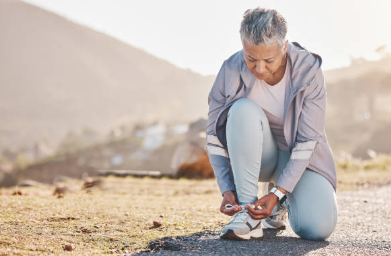
In addition, during the travel process, it is important to arrange rest time reasonably and avoid overexertion. Warm up and relaxation activities should be done before and after exercise, such as simple joint movements, slow walking, etc., to reduce the risk of sports injuries.
When elderly people travel long distances, these exercise and health tips can effectively alleviate physical discomfort, making the journey more comfortable and healthy. I hope every elderly friend can take care of themselves and enjoy a wonderful travel time during their journey. If you have experience in long-distance travel, please feel free to share and exchange ideas.