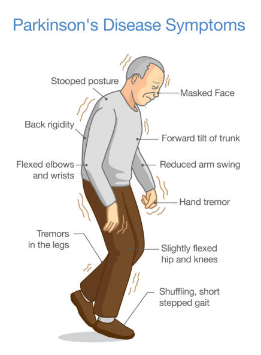
Parkinson’s disease is a neurodegenerative disease commonly found in the elderly, characterized by symptoms such as tremors, stiffness, and bradykinesia that severely affect the patient’s daily life. As a non pharmacological treatment method, exercise rehabilitation training plays an indispensable role in the treatment process of elderly Parkinson’s patients.
The Importance of Sports Rehabilitation Training
Improve motor function
Parkinson’s disease can lead to a gradual decline in motor function in patients, and exercise rehabilitation training can target muscle strength, balance, and coordination. For example, simple limb stretching and flexion exercises can alleviate muscle stiffness and increase joint mobility; Balance training can reduce the risk of patients falling and improve their mobility safety.
Relieve symptoms
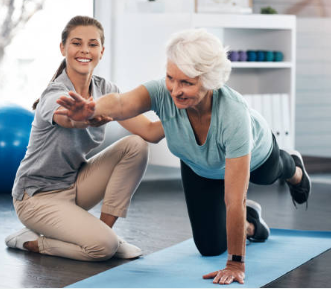
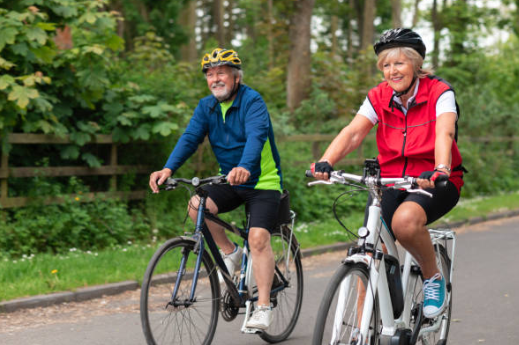
Regular exercise can help alleviate symptoms of Parkinson’s disease. Aerobic exercise can promote blood circulation, provide more oxygen to the brain, improve patients’ mental state and physical function, and thus alleviate symptoms such as tremors and bradykinesia to a certain extent.
Improve the quality of life
After sports rehabilitation training, patients’ self-care ability often improves, which not only allows them to take better care of themselves, but also enhances their confidence, reduces psychological burden, and overall improves their quality of life.
Specific training programs
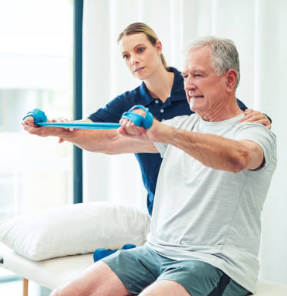
Balance training
In Europe and America, many rehabilitation institutions provide balance training courses for Parkinson’s patients. Patients can perform simple single legged standing exercises on flat ground, holding for 3-5 seconds each time, then switching to the other foot, 10-15 times per group, 3-4 groups per day. You can also walk slowly along a straight line in a safe environment, paying attention to maintaining body balance and avoiding shaking while walking.
Gait training
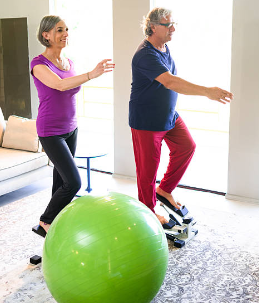
Parkinson’s patients often experience problems such as small steps and panicked gait. During gait training, patients can stick some tape at appropriate intervals on the ground, and then walk slowly with big strides according to the intervals of the tape, while keeping their heads up and chest straight, and their eyes looking straight ahead. During the training process, family members or rehabilitation therapists can provide appropriate assistance and guidance nearby.
strength training
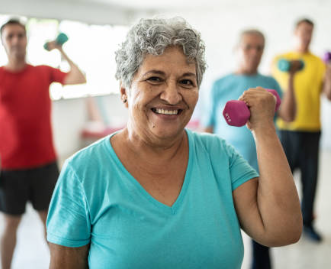
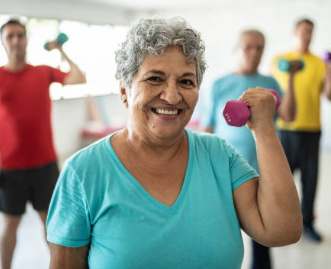
Strength training can enhance muscle strength and improve the body’s ability to move. Using lighter dumbbells for simple arm flexion and extension exercises is a good choice, such as holding 1-2 kg dumbbells and performing 10-15 arm bending exercises, 2-3 sets per day. Leg strength training can also be done, such as sitting in a chair and slowly lifting the calves, 10-15 times per group, 3-4 groups per day.
Flexibility training
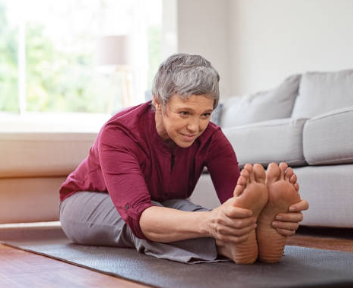
Yoga and Tai Chi are very suitable for flexibility training for Parkinson’s patients. Some simple postures in yoga, such as the cat and bull pose and the dog pose, can help patients stretch their bodies and relax their muscles. Tai Chi moves slowly and gently, effectively moving all joints of the body, enhancing flexibility and coordination.
Training frequency and intensity
The recommended training frequency is 3-5 times a week, with each session lasting 30-60 minutes. The training intensity should gradually increase according to the patient’s physical condition and tolerance level to avoid excessive fatigue and injury. In the early stages of training, the intensity can be lower, and as the patient’s physical adaptability improves, the difficulty and intensity of the training can be appropriately increased.
matters needing attention
safety first
The sports field should be chosen in a flat and non slip area, with handrails or supportive objects around to prevent patients from falling. During exercise, family members or professional rehabilitation therapists should accompany and provide assistance and guidance at any time.
Cooperate with drug therapy
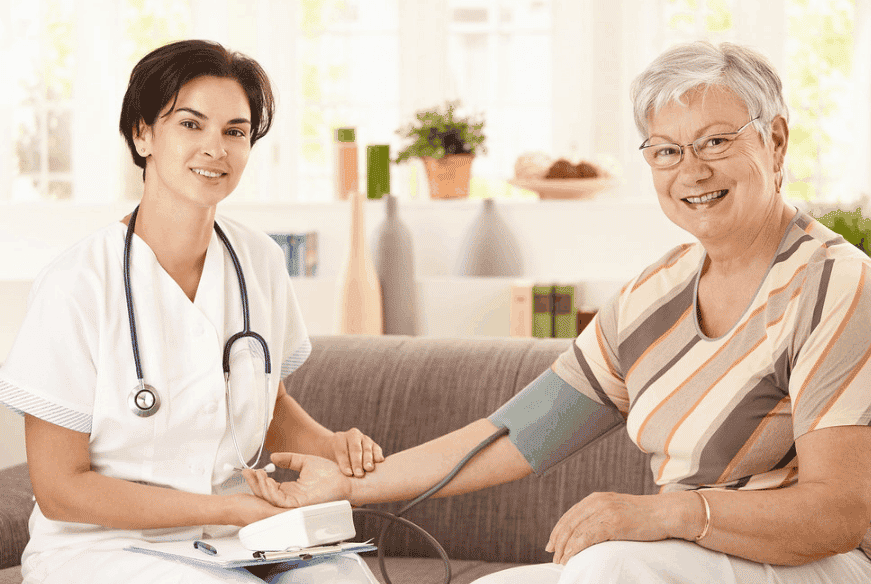
Exercise rehabilitation training cannot replace medication treatment. Patients should strictly follow the doctor’s instructions to take medication on time, and combine exercise training with medication treatment to achieve the best treatment effect.
Pay attention to physical reactions
During the training process, patients should closely monitor their physical reactions. If they experience discomfort symptoms such as pain, dizziness, and palpitations, they should immediately stop training and seek medical attention promptly.
Elderly Parkinson’s patients can improve their symptoms and enhance their quality of life to a certain extent through scientific and reasonable exercise rehabilitation training. I hope every patient can actively participate in sports training and bravely fight against the disease. If you have any experience or suggestions about motor rehabilitation training for elderly Parkinson’s patients, please feel free to share and exchange in the comment section.