As time goes by, the physical functions of the elderly gradually decline, which is an inevitable natural law. However, appropriate exercise is like magical magic, which can greatly delay this decline process and bring many key benefits to elderly health.
Maintain bodily functions
Musculoskeletal System
Entering old age, muscle mass decreases at a rate of about 1-2% per year, which is known as muscle wasting syndrome. The weakening of muscle strength not only affects daily activities such as standing, walking, and going up and down stairs, but also increases the risk of falls. Exercise, especially low-intensity weight-bearing exercises like walking, can stimulate muscle contraction, promote protein synthesis, and effectively slow down muscle loss rate. Meanwhile, exercise can also enhance bone density and reduce the occurrence of osteoporosis. During a walk, the weight of the body acts on the bones, stimulating the activity of bone cells and promoting stronger bones. For example, elderly people who exercise regularly often have higher bone density in their hips and spine, and a relatively lower risk of fractures.
cardiovascular system
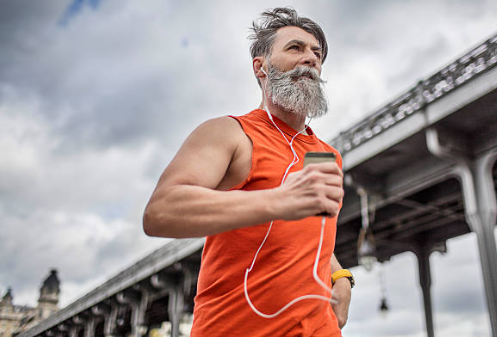
The cardiovascular system function of elderly people gradually declines, with weakened cardiac contractility and reduced vascular elasticity, leading to a significant increase in the risk of cardiovascular disease. Exercise can enhance cardiovascular function and improve blood circulation. Taking walking as an example, moderate walking can moderately increase heart rate, enhance the heart’s pumping ability, and allow blood to be delivered more smoothly to various organs throughout the body. This helps to reduce blood pressure, stabilize blood lipid levels, reduce the formation of atherosclerosis, thus reducing the incidence of cardiovascular diseases such as coronary heart disease and hypertension, and providing a strong guarantee for heart health.
respiratory system
As people age, their respiratory system function also declines, their lung capacity gradually decreases, and their respiratory muscle strength weakens. Exercise can exercise respiratory muscles, increase lung capacity, and improve gas exchange efficiency. When walking, the respiratory rate and depth will increase accordingly, promoting the lungs to more fully inhale oxygen and expel carbon dioxide. For elderly people with chronic respiratory diseases such as chronic obstructive pulmonary disease (COPD), moderate exercise can enhance respiratory function, alleviate respiratory distress symptoms, and improve quality of life.
Preventing chronic diseases
Diabetes
The elderly are the high risk group of diabetes. Exercise plays an important role in the prevention and control of diabetes. Exercise can increase the body’s sensitivity to insulin, allowing cells to better absorb and utilize glucose in the blood, thereby reducing blood sugar levels. For example, taking a walk after meals can effectively help elderly people control postprandial blood sugar peaks and reduce blood sugar fluctuations. Long term exercise can also improve the metabolic function of the body, help maintain a healthy weight, and further reduce the risk of diabetes.
Cognitive impairment
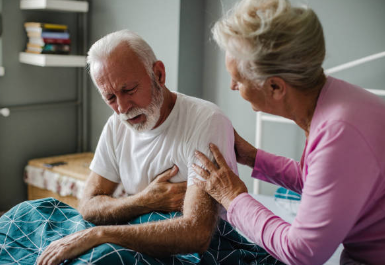
As people age, their risk of developing cognitive impairments such as Alzheimer’s disease gradually increases. Research has shown that exercise can promote blood circulation in the brain, stimulate the growth and repair of nerve cells, and enhance cognitive function in the brain. Exercise can also promote the secretion of neurotransmitters and growth factors in the brain, such as brain-derived neurotrophic factor (BDNF), which plays an important role in the survival, growth, and differentiation of neurons, helping to prevent cognitive impairment and maintain brain sensitivity and memory.
Promote mental health
Relieve anxiety and depression
In the elderly stage, due to changes in lifestyle, narrowing of social circles, and decline in physical functions, elderly people are prone to negative emotions such as anxiety and depression. Exercise can stimulate the secretion of neurotransmitters such as endorphins and dopamine in the brain, which have the function of regulating emotions, bringing pleasure and satisfaction, and effectively relieving anxiety and depression. When taking outdoor walks, elderly people can also be exposed to natural scenery, breathe fresh air, further relax their body and mind, and improve their emotional state.

Enhance social interaction
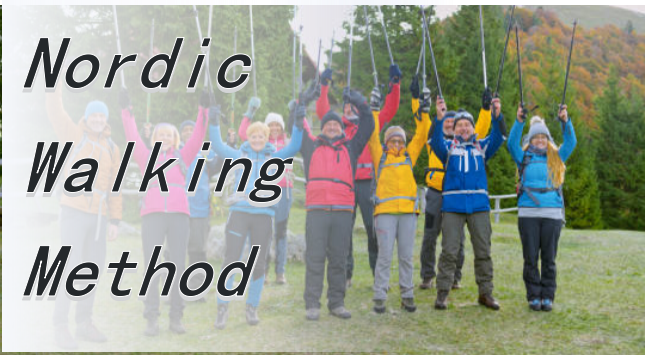
Sports provide rich social opportunities for the elderly. By participating in senior sports groups such as walking clubs, square dance teams, etc., elderly people can meet like-minded friends and expand their social circle. Communicating and interacting with others during exercise, sharing life experiences and sports insights, can reduce loneliness, enhance social belonging, and improve mental health. Good social relationships can also provide emotional support for the elderly, helping them cope with various pressures and challenges in life.
Exercise is crucial for the health of the elderly, as it not only maintains physical function and prevents chronic diseases, but also promotes mental health. Whether it’s walking, Tai Chi, or other sports suitable for the elderly, they can add vitality to their lives, allowing them to enjoy the fun of exercise while having a healthier and better old age.