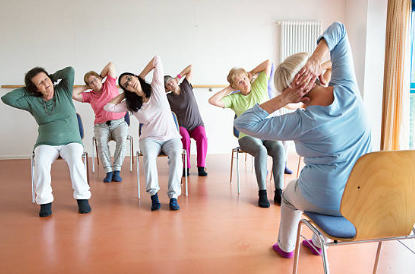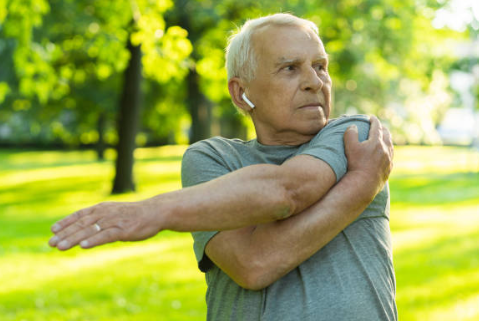
Moderate exercise can strengthen the body, but improper exercise may harm the health. What “pitfalls” should elderly people avoid when exercising? How to exercise without harming the body?
1、 Comparison between morning exercise and evening exercise
(1) Morning exercise
advantage
Fresh air: The morning air is usually fresh and suitable for outdoor activities.
Quiet environment: The morning environment is relatively quiet, which helps to relax.
Developing habits: Morning exercise can cultivate good lifestyle habits and improve metabolism.
disadvantage
Blood pressure peak: The morning is the peak period of blood pressure, which can easily lead to cardiovascular and cerebrovascular diseases.
Blood viscosity: High blood viscosity in the morning increases the risk of thrombosis.
Fasting exercise: Fasting exercise may lead to hypoglycemia, especially for the elderly, with greater risks.
- Night exercise
advantage

Stable blood pressure: In the evening, the human body’s heart rhythm and blood pressure are the most stable, and vision, smell, hearing, and taste are also the most sensitive. The body’s functions are at their best during this period, and the ability to dissolve blood clots in the body is also the best. Therefore, from a physiological and medical perspective, exercising at night and dusk is better than exercising in the morning.
Good metabolism: Exercise in the evening can help improve the body’s metabolic level, eliminate excess fat, and achieve the best weight loss effect.
Sleep aid: Moderate exercise for 30 minutes at night not only helps with sleep and hunger, but also extends life!
disadvantage
Lack of Light: The light is dim in the evening, which may affect sports safety.
Air quality: In the evening, air quality may be affected, especially in urban areas.
2、 Suggestions for exercise for the elderly
(1) Choose the appropriate sports program for yourself
Considering the unique physiological characteristics of the elderly, they can choose some low load, low resistance, soothing, and quiet exercises. These exercises are suitable for most elderly people:
Aerobic activities: walking, jogging, swimming, indoor cycling, etc., improve cardiovascular and respiratory system function.
Strength projects: lifting legs, standing on one foot, squatting, strength ball, hanging, light equipment weightlifting (dumbbell), etc., to enhance muscle strength and prevent joint injuries.
Flexibility projects: Tai Chi, fitness exercises, senior dance, etc., improve coordination and delay joint aging.
(3) Grasp the correct intensity of exercise
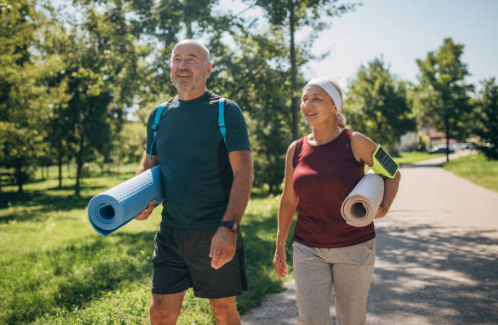
The recommended exercise time for elderly people is around 30 minutes per day. How to evaluate whether the intensity of exercise is appropriate?
Moderate exercise: moderate sweating, slight fatigue, slight relaxation after exercise, pulse restored within about 10 minutes, good eating and sleeping, and full of energy the next day.
Excessive exercise: excessive sweating, palpitations, shortness of breath, extreme fatigue after exercise, poor eating and sleeping, pulse that cannot recover within about 15 minutes, fatigue throughout the body the next day, and lack of interest in exercise.
Lack of physical activity: No sweating or fatigue during exercise, no significant changes in pulse, and the heart rate returns to rest within 3 minutes after exercise.
(3) Warm up before exercising
What are the requirements for warm-up exercises? Firstly, the speed should go from slow to fast; Secondly, strength should increase from small to large; Finally, you need to do it for a full 15 minutes. Until slight sweating, slight tightness in exhalation, and flexible lubrication of joints.
(4) Choose the appropriate exercise period
Older people have relatively ample time, and they can choose to exercise between 4-5 pm in the afternoon. At this time, a person’s physical strength, reflexes, adaptability, and other functions are in their best state of the day, and air pollution is relatively light during this period.
(5) Moderately increase the frequency of exercise
Maintaining a frequency of 3-5 days of exercise per week is optimal, with at least 150 minutes of moderate intensity aerobic exercise per week.
(6) Sports safety is the most important
The elderly should avoid strenuous exercise alone, especially those with cardiovascular disease and diabetes. When exercising, pay attention to the feeling of the body. If symptoms such as lower back pain, chest pain, dizziness, etc. occur, exercise should be stopped immediately. Malnourished individuals or elderly people at risk of malnutrition need to undergo dietary reinforcement and nutritional supplementation to avoid excessive consumption.
3、 Conclusion
The optimal exercise time for elderly people varies from person to person, but overall, 6-8 pm is more suitable for them to exercise. For elderly people with poor blood circulation, it is recommended to exercise around 3pm in the afternoon. It is important for elderly people to pay attention to safety when exercising, choose suitable exercise programs and intensities, and avoid sports injuries and unnecessary health risks