Understanding Dementia and Its Impact
Dementia is a syndrome caused by brain cell damage or neurological deterioration, leading to a decline in cognitive abilities. It manifests as a progressive and long-term reduction in memory, thinking, judgment, and learning abilities. Patients may struggle to recall recent events, past experiences, or the names of people and objects. They may also experience language difficulties, disorientation in time and place, and mood swings. As the condition progresses, patients may require assistance with daily activities such as eating, dressing, and bathing.
Risk Factors for Dementia
The risk of dementia increases with age. Approximately one in ten people over the age of 65 has dementia, and this proportion rises significantly among those over 85. While aging is the primary risk factor, other factors such as genetics, lifestyle choices, and overall health also influence the likelihood of developing the condition.
Ways to Reduce Dementia Risk
Although aging cannot be reversed or prevented, adopting a healthy lifestyle can help reduce the risk of dementia. Key preventive measures include:
- Healthy Diet: Consuming a balanced diet rich in fruits, vegetables, whole grains, and healthy fats.
- Maintaining a Healthy Weight: Avoiding obesity-related diseases by staying within a healthy weight range.
- Eliminating Harmful Habits: Quitting smoking and limiting alcohol intake.
- Regular Exercise: Scientific research has shown that engaging in regular physical activity can lower the risk of dementia.
The Cognitive Benefits of Low-Impact Exercise
Low-impact exercise refers to activities that put minimal strain on joints and muscles, making them ideal for people of all ages, particularly seniors. These exercises can effectively improve cardiovascular health, enhance muscle strength, boost cognitive function, and reduce the risk of dementia.
1. Pickleball
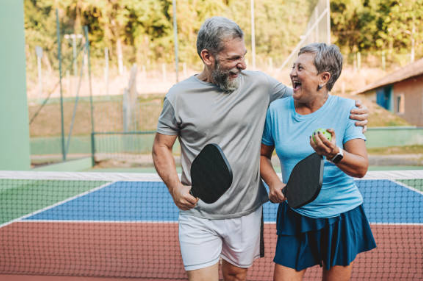
Pickleball combines elements of tennis, badminton, and table tennis and can be played both indoors and outdoors. In addition to providing physical exercise, it fosters social interaction, helping seniors stay connected and engaged. This combination of social engagement and physical activity has been linked to a lower risk of dementia by reducing feelings of isolation and promoting brain function.
2. Swimming
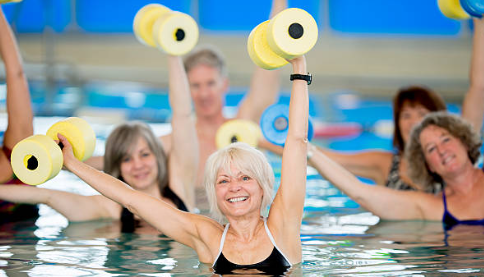
Swimming is a full-body workout that places minimal stress on joints. It improves cardiovascular health, strengthens muscles, and has been shown to enhance cognitive function, memory, and emotional well-being. Additionally, swimming boosts the immune system and contributes to overall health.
3. Golf
Golf requires precision and coordination, making it a mentally engaging sport. It challenges the brain while also involving full-body movement, improving cardiovascular health and muscle strength. Studies suggest that playing golf can have a positive impact on brain function and significantly reduce the risk of dementia.
4. Bowling
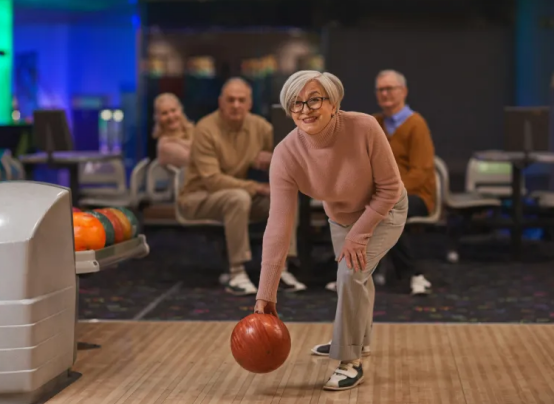
Bowling is a fun activity that enhances hand-eye coordination. It also provides opportunities for social interaction and stimulates the brain to release beneficial chemicals that promote mental well-being. Its low-impact nature makes it an excellent choice for seniors looking to stay active.
The Scientific Link Between Exercise and Cognitive Health
Scientific studies indicate that exercise stimulates the production of beneficial brain chemicals such as endorphins, which help improve mood and reduce anxiety. Additionally, exercise increases blood circulation in the brain, enhancing oxygen delivery and supporting cognitive function. For seniors, engaging in low-impact exercises is an effective way to maintain brain health and lower the risk of dementia.
Dementia affects millions of people worldwide, but a healthy lifestyle and regular low-impact exercise can help reduce the risk. Activities such as pickleball, swimming, golf, and bowling not only promote physical health but also encourage social interaction and mental well-being. Regardless of age, it’s never too late to start incorporating these exercises into your routine—they offer long-term benefits for both your brain and overall health.
This article is optimized for SEO and designed to engage a global audience interested in senior health and fitness. Let me know if you’d like further refinements!