As the aging population trend intensifies, more and more middle-aged and elderly people are beginning to seriously consider a question— how can they age healthily ?
In the past, our parents’ generation often said “health preservation requires stillness,” emphasizing quiet rest, tonics, and health supplements. However, modern research has found that these alone are far from sufficient.
The body’s functions are constantly changing, and the real key to delaying aging and maintaining vitality lies in regular and safe exercise .
To make health maintenance truly “useful,” it’s essential to understand the underlying principles and scientific methods of exercise . Mastering more knowledge about sports science and exercise principles can help seniors avoid common exercise misconceptions and provide more direction in health management.
Many seniors who were initially afraid of exercise are surprised to discover, after learning about it scientifically, that exercise is not “harmful” but rather the most natural and effective way to combat aging —it can stabilize emotions, boost vitality, and enhance self-care abilities.
I. Core Goals of Elderly Healthcare: Slowing Down Aging and Maintaining Functional Independence
For older adults, “health” is not just about living long, but about living well and living freely .
As we age, muscle mass decreases, bone density drops, and metabolism slows down—all of which make the body more prone to fatigue, falls, or chronic diseases.
The traditional concept of “more rest and less activity” may seem comfortable in the short term, but in the long run, it actually accelerates physical decline .
The focus of modern health management is “delaying aging and maintaining independence.”
To achieve this, we must shift from passive health maintenance to proactive action.
Scientific exercise is a key step—it strengthens cardiopulmonary function, improves muscle strength, and regulates mental state, making people more peaceful and confident.
This is the new era’s health philosophy: nourishing both body and mind, balancing activity and rest.
II. The Value of Sports Science: Making Healthcare More Precise
1. Why is exercise more “nutritious” than health supplements?
Many people start taking supplements as soon as they reach a certain age, but scientific research has long pointed out that
regular exercise has a far greater effect on improving the metabolic system than various nutritional supplements.
Exercise can improve insulin sensitivity, stimulate growth hormone secretion, and enhance immunity—these are the body’s self-healing responses that no health supplement can replace.
There’s a classic saying in sports science: ” Muscles are the best medicine cabinet. “
When muscles are actively working, they release a series of beneficial hormones and cytokines that help the body regulate inflammation, balance metabolism, and maintain vitality.
In other words, if you want to maintain your health, you might as well start by building up your muscles.
2. Core principles of sports science: gradual progression, recovery, and safety.
Many older adults start exercising either too hard or too afraid.
The former is prone to injury, while the latter fails to achieve the desired results.
This is where the ” FITT principle ” of exercise science comes in handy:
Frequency, Intensity, Time, and Type.
For older adults, the safest and most effective strategy is
low intensity, high frequency, and a focus on recovery.
Maintain a steady pace, avoid overexertion, and allow the body to gradually adapt.
As sports science research points out: recovery is not about being lazy, but rather an integral part of training.
III. Suitable Types of Scientific Exercise for the Elderly and Practical Guidelines
1. Aerobic exercise: a “health exercise” for the heart.
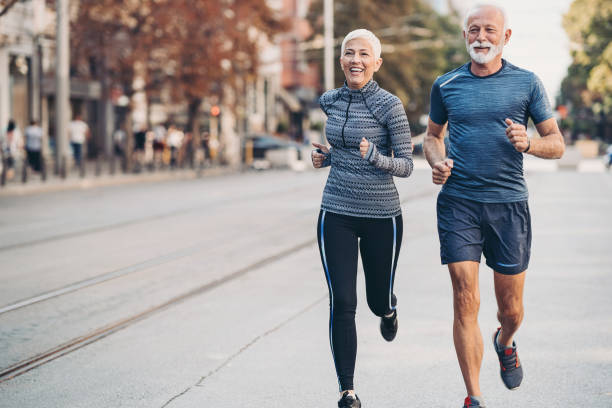
Walking, Tai Chi, swimming, and jogging are all ideal low-impact exercises.
Aerobic exercise improves blood circulation, increases lung capacity, and enhances heart efficiency.
Studies have shown that brisk walking for 30 minutes daily can significantly reduce the risk of cardiovascular disease and diabetes.
2. Strength training: Key to slowing down muscle loss
As we age, muscle loss (or sarcopenia) becomes a major issue affecting quality of life.
Moderate strength training can stimulate muscle protein synthesis and slow down this decline.
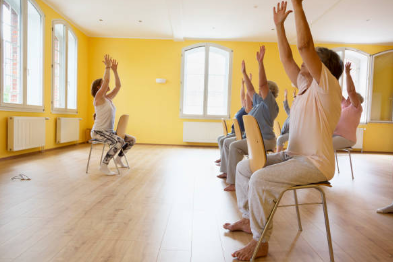
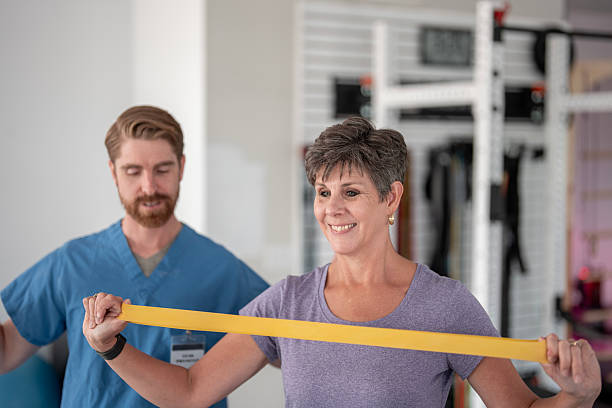
Resistance bands, light dumbbells, and bodyweight exercises (such as wall squats and chair stand-ups) are all very practical choices.
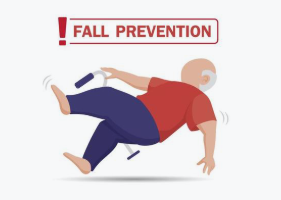
Two to three light resistance training sessions per week can significantly improve stability, reduce the risk of falls, and make you feel more stable and secure.
3. Balance and flexibility training: Safeguarding a sense of security in daily life
Many falls among the elderly are due to decreased balance.
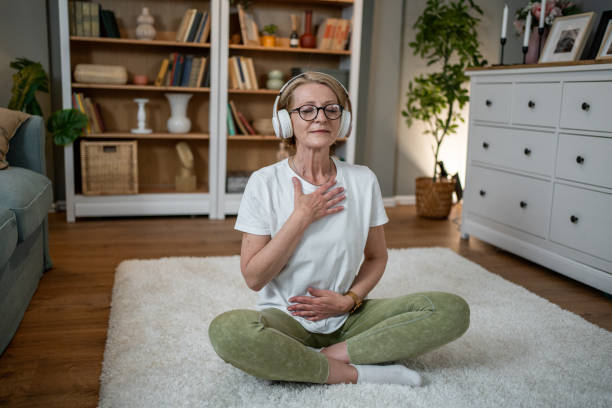
Practicing yoga, using a balance mat, and standing on one leg can strengthen core and lower limb muscles.
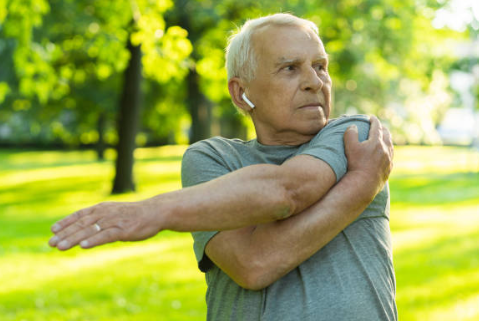
Combined with moderate stretching and joint flexibility exercises, this not only reduces the risk of injury but also helps maintain a sense of lightness in the body.
IV. Beyond Scientific Exercise: The “Hidden Elements” of Comprehensive Health
Exercise alone is not enough. True health is a system.
Good sleep, a balanced diet, and stable emotions are all fundamental to the body’s recovery.
In many sports and health science popularization articles, experts emphasize an often overlooked aspect— recovery .
Regular sleep patterns, adequate afternoon naps, and sufficient water intake can make the effects of exercise last longer.
Don’t neglect the mental aspect of exercise: socializing, engaging in interests, and learning.
Studies have found that older adults who regularly participate in group exercise or learning activities experience cognitive decline nearly 30% slower than those living alone.
Engage your mind as well as your body; when your body and emotions are in harmony, your health will naturally be more stable.
V. Conclusion: Let scientific exercise become a new lifestyle for the elderly.
In modern health concepts, health care is no longer a passive way of maintaining health, but a proactive lifestyle .
By learning about sports science and mastering the principles of exercise science, older adults can not only slow down physical decline, but also rebuild their self-confidence and rhythm of life.
Exercise is not just for the young.
It’s a way to keep life burning and stay vibrant.
Whether it’s in a park in the early morning, a warm pool, or a gentle stretch in your living room, as long as you move, you’re already building up your strength for future health.
Let every breath and every stretch be a small victory in the fight against aging .