When it comes to health and longevity, many people’s first reaction is “eat well and exercise more,” but the reality is much more complex. For seniors, health isn’t just about being healthy; it’s a state of being—feeling healthy, feeling mentally stable, and having friends to chat with. This article explores three ways to help seniors live more comfortably and with dignity.
Understanding the three pillars of healthy aging
Healthy aging isn’t just about “living a few more years,” but about living a quality life with a sense of control. Exercise, diet, and mental health are like a stable tripod; if any one side collapses, the balance is disrupted. You may have seen elderly people who appear “healthy on the outside,” but due to chronic loneliness or poor nutrition, their bodies are actually slowly becoming overwhelmed. True health is the harmonious resonance of these three elements.
Pillar 1: Scientific Movement – Maintaining Vitality and Independence
Exercise for seniors isn’t about physical strength, but about maintaining mobility. Keeping the body moving can slow the aging process.
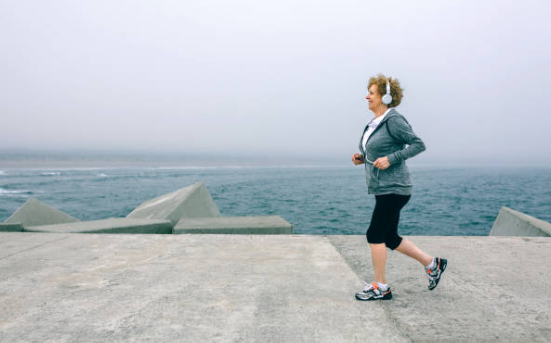
The World Health Organization (WHO) recommends that people over 65 should engage in 150 to 300 minutes of moderate-intensity exercise per week , such as brisk walking, swimming, cycling, or Tai Chi. Don’t underestimate these seemingly gentle activities; they can significantly reduce the risk of chronic diseases and falls.
Recommended exercise types:
Aerobic exercise : brisk walking, Tai Chi, swimming. They can strengthen cardiopulmonary function and improve the circulatory system.
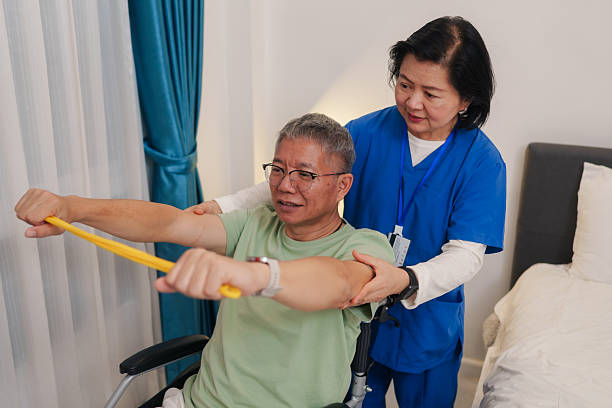
Strength training : Small dumbbells, elastic bands, squats (be careful). Helps combat muscle loss and prevent sarcopenia.
Balance training : standing on one leg and tandem walking can significantly improve proprioception and reduce the risk of falling.
Flexibility exercises : stretching, yoga. Keep your joints flexible and your daily movements smoother.
Tip : You don’t have to hit the full mark all at once. Even 10 minutes of movement a day is better than no movement at all. The key is consistency.
Pillar 2: A balanced diet—the foundation for nourishing body and mind
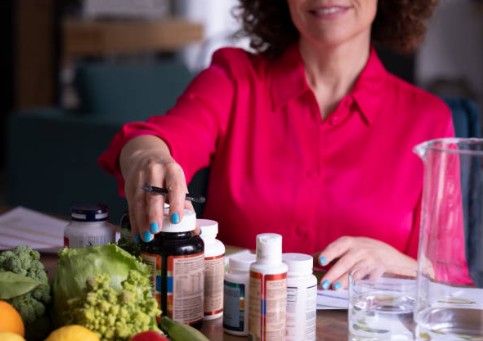
Many elderly people “eat less,” but they may not “eat well.” As metabolism slows, the body’s demand for protein, vitamin D, and calcium actually increases.
High-quality protein : 25-30 grams per meal is ideal. Eggs, soy products, fish, and chicken are all good choices.
Calcium and vitamin D : Milk, dark green vegetables, and sunlight exposure. Essential for combating osteoporosis.
Dietary fiber and water : Eat more whole grains, vegetables and fruits, and drink enough water every day to prevent constipation.
Eat small meals frequently : People with poor appetite can eat small meals several times a day to reduce the burden on the gastrointestinal tract.
Pillar Three: Positive Attitude—The Secret to Happiness and Longevity
Mental health is the most neglected aspect of life. Many elderly people are not defeated by illness, but by loneliness.
Here are some ways to improve your mental health:
Stay socially connected : Communicate more with family and friends, and participate in community activities.
Cultivate interests : gardening, calligraphy, listening to music, playing chess, to give life hope.
Learn new things : enroll in senior citizen universities, play educational games, and stay cognitively active.
Emotional management : If you feel depressed or lonely, seek help from a psychological counselor in a timely manner.
Synergy of the three pillars
These three factors reinforce each other: exercise improves your appetite and helps you sleep better; good nutrition gives you the energy to exercise; and a positive attitude helps you persevere. Health is never a one-way street; it’s a team effort.
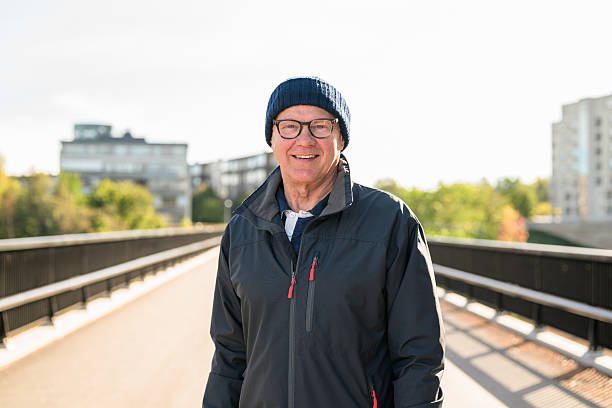
How to start? —Start with micro habits
Don’t rush into a “complete life overhaul.” The biggest risk in senior health plans is a one-size-fits-all approach.
Micro-habit of exercise : brisk walk for 10 minutes every day to develop a rhythm first.
Dietary micro-habit : Eat one more vegetable color every day.
Mental Mini Habit : Check in with an old friend once a week.
Stick with it for 90 days and you’ll find that these small changes can really add up.
Revelation from real observation
While writing this article, I interviewed several people over 70. What struck me was that they weren’t trying to “extend their lifespan” so much as “extend their time living like themselves.”
They didn’t pursue a perfect diet or a strict exercise regimen; instead, they insisted on daily walks, cooking, and enjoying tea with friends. Regular exercise, a balanced diet, and a good mood —they had already made these three essential elements of their lives a part of their lives.
in conclusion
Health is not destiny, it is a choice .
No matter how old you are, you can start by making small changes today to embrace a healthier and more dignified future.