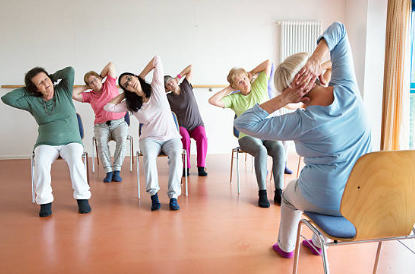
As children, we were always taught to be careful and avoid falling; as adults, we were told to eat more and rest more. But when we actually reach retirement age, problems arise: less activity, slower circulation, and less sleep.
Maintaining health isn’t about treating your body like porcelain, carefully but inactive; it’s more like tending a garden—it requires pruning, fertilizing, watering—and above all, movement. The good news is: even light, rhythmic physical activity can benefit your heart, lungs, muscles, balance, and brain simultaneously. Ball sports are a gentle yet effective “key.”
Why choose ball sports? — Low impact, high participation, socially friendly
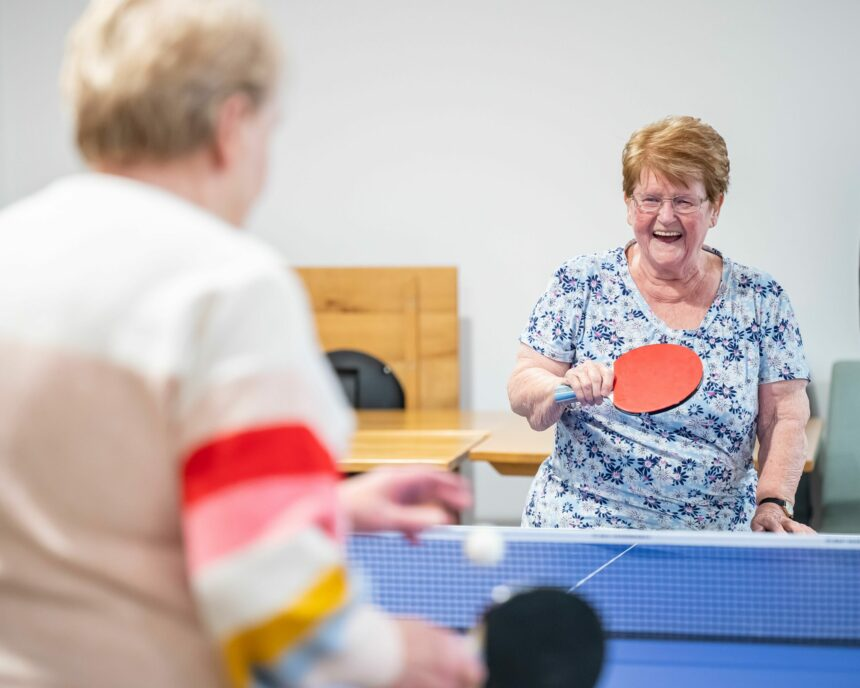
When it comes to exercise, many people’s first reaction might be running, the gym, or Tai Chi. However, ball sports like table tennis, badminton, and gateball/botaneous ball have three natural advantages, making them especially suitable for middle-aged and elderly people:
- Low impact and joint-friendly : It does not require prolonged running and jumping, and will not put continuous high pressure on the knees.
- Improve balance and reaction time : Catching the ball, moving, and judging the ball’s trajectory all exercise vestibular function and neuromuscular coordination.
- Strong social attributes : Competitions, exchanges, and casual chats on the court in the afternoon can reduce loneliness and improve mental health compared to practicing alone at home.
Simply put, ball sports can both get your body moving and foster social interaction. Why not do both?
Exercise prescription – for those who aren’t particularly adventurous
- Frequency: 3–5 times per week.
- Duration: 30–45 minutes each time (including warm-up and cool-down).
- Intensity: The ideal intensity is “moderate aerobic exercise” where you can talk but not sing.
- Content: 5–10 minutes warm-up (joint mobilization, easy stretching), 20–30 minutes of ball games or sparring, 5–10 minutes of relaxation and recovery.
Want to improve further? Balance training (standing on one leg, moving around) can be added to 3-5 minutes each time; the long-term effects are amazing.
Important: If you have cardiovascular disease, serious joint problems, or are taking long-term medication, consult your doctor first. If your doctor agrees, it’s best to have a basic physical examination or a simple exercise risk assessment.
Scientific Equipment: Making Sports Safer and More Confident
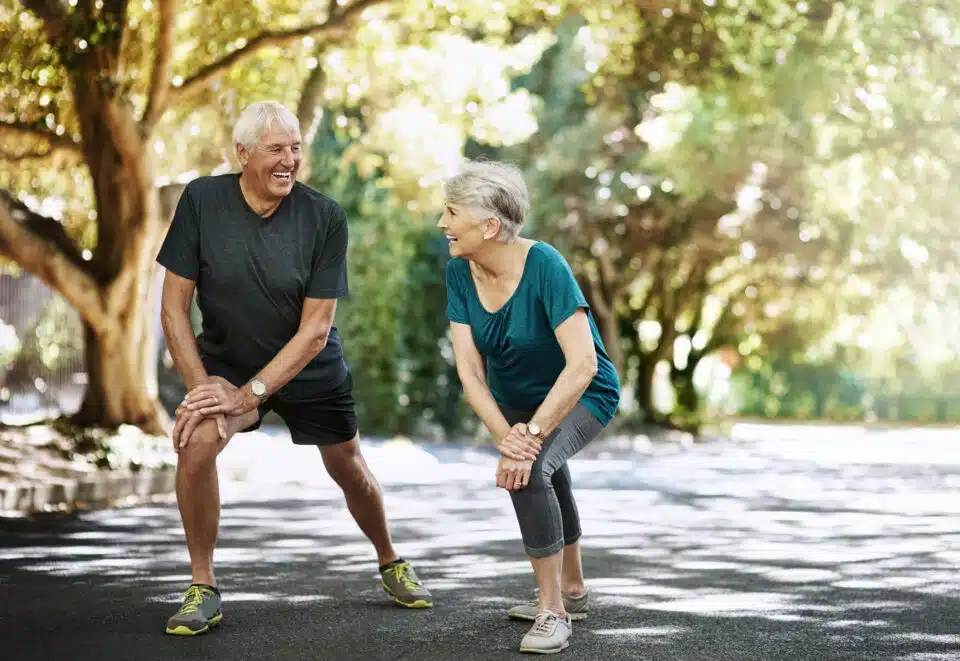
A little technology and the right equipment won’t steal the fun; on the contrary, they’ll make you feel more at ease.
Health care recommendations (monitoring and recovery)
- Wearable heart rate/blood pressure monitoring watches : Devices like Omron HeartGuide, Withings ScanWatch, and Apple Watch
can record heart rate and blood pressure trends during exercise. Companion apps save historical data, allowing users to review abnormal readings. This is especially helpful for seniors who need to monitor their blood pressure and take medication long-term. Remember, use the data as a reference for communicating with your doctor, not to adjust your medication on your own. - Nutritional Protein Drinks for Middle-Aged and Elderly : Abbott’s Ensure
. As we age, the efficiency of protein absorption and synthesis declines. Adequate protein intake after exercise helps muscle recovery and maintain strength. Choose a low-sugar, easily digestible formula and drink an appropriate amount within 30 minutes after exercise (as per product instructions and medical advice).
Sports Recommendations (Motion and Safety)
- Non-slip, cushioned athletic shoes : Skechers GOwalk Stability, Asics, or Mizuno’s stability models
offer excellent grip and arch support, significantly reducing the risk of sprains and slips. It’s best to try on shoes before buying and purchase them in the afternoon when your feet are slightly swollen. - Home table tennis training equipment or foldable table tennis tables : Butterfly and JOOLA’s home models
allow you to practice rebounding at home and maintain hand-eye coordination; choose sturdy, foldable models for easy storage. - Gateball/Bocce Set : The Gopher set is
ideal for group activities in gateball, with controllable intensity, making it suitable for community events that combine exercise and social interaction.
A short story: Neighbor Thompson ‘s journey of returning to the ball.
Thompson gained weight and often felt palpitations while walking. His family was worried, so he started going to the park’s ping-pong corner every week—not to win, just for fun. At first, he simply practiced with his friends, but later he used a watch to track his heart rate and adjusted his medication dosage with his doctor. Six months later, he had not only lost weight but also slept better and smiled more.
Yes, he also had his unavoidable days: poor complexion, joint pain, and reluctance to go out. But it was precisely that feeling of “owing a ball” that pulled him back into life. These little leaps in life make people more real and more approachable.
Risks and Precautions – Don’t let enthusiasm turn into hidden dangers
- There is a risk of injury in any sport, especially for those who are resuming sports for the first time.
- Warm-up and stretching are essential.
- If you experience chest tightness, difficulty breathing, severe chest pain, or fainting, stop immediately and seek medical attention.
- When wearing assistive devices such as hearing aids and glasses, ensure that safety during exercise is not impaired and that visual and auditory judgment is not hindered.
How can we make ball sports a long-term habit?
- Finding a companion – getting together with three or five friends is much more likely to lead to sticking with the relationship than doing it alone.
- Set small goals—such as learning to return the ball consistently within a month, or increasing activity time by 10 minutes.
- Track your progress—use a fitness tracker or notebook, even if it’s just something like “I walked 1,000 more steps today”.
- Linking sports and socializing together—tea and conversations after the game act as the adhesive.
Conclusion: An invitation to the elderly
Your body isn’t a countdown timer; it’s a daily story still being written. You might go slower, but slower doesn’t mean stopped. Make health maintenance a daily habit, treat ball sports as fun experiments in life, and you’ll discover that the rhythm of your heartbeat holds an echo—life’s response to your efforts. Go and return a ball, even if it’s just a gentle return.